Redesign Your Outdoor Space: Top Deck Staining Providers for Lasting Beauty
Transforming an outdoor space often begins with assessing the deck's condition. Professional staining play an important role in safeguarding and improving this space. Premium finishes elevate the aesthetics and also safeguard against environmental damage. As homeowners seek to create inviting atmospheres, understanding the subtleties of deck staining becomes vital. What factors should one consider to ensure a lasting and beautiful result? The answers lie in the specifics of the staining process.
Why Deck Staining Is Essential for Your Outdoor Space
Deck wood coating works as a key protective measure for outdoor surfaces, enhancing both aesthetics and longevity. Without proper staining, decks are vulnerable to the harsh effects of weather, including UV rays, rain, and snow, which can lead to wood rot and damage. Staining forms a barrier that stops moisture from penetrating, reducing the chance of mold and mildew growth. Additionally, it helps maintain the wood’s natural color and texture, preventing fading over time.
Additionally, regular staining can lengthen the lifespan of a deck, saving homeowners from costly maintenance or replacements. It also increases the appeal of the residence by improving curb appeal. The appropriate stain can display the unique grain of the wood, giving the outdoor space a polished look. In conclusion, deck staining is not merely an aesthetic choice but an important aspect of maintaining a safe and attractive backyard setting.
Selecting the Ideal Deck Stain: Hues and Finishes Explained
Determining the best deck stain involves grasping the various colors and finishes available, which can significantly shape the overall appearance and longevity of an outdoor space. Deck stains typically come in three main categories: transparent, semi-transparent, and solid. Transparent stains let the wood grain to show through, providing a natural appearance while information delivering minimal protection. Semi-transparent options improve the wood's texture and color while offering better UV protection and longevity. Solid stains, on the other hand, offer the highest level of protection, effectively hiding the wood grain and providing a uniform color.
When selecting a color, homeowners should think about their current outdoor furnishings and adjacent landscape. Earthy tones and grays often work nicely with natural settings, while bright colors can add a pop of personality. Ultimately, the proper finish not only improves aesthetic appeal but also prolongs the life of the deck, making this decision essential for long-term satisfaction.
Primary Attributes of Excellent Deck Staining Companies
The best deck staining services are characterized by multiple important qualities that deliver a superior finish. These include the curation of premium stains, the implementation of professional application techniques, and a thorough preparation process. Together, these factors contribute to a resilient and beautiful result for any deck.
Superior Stain Options
Selecting the appropriate stain can significantly enhance the longevity and appearance of a deck. Choosing quality stains requires multiple important considerations, such as durability, weather resistance, and aesthetic appeal. High-quality finishes are designed to withstand the elements, preventing moisture infiltration and UV damage. In addition, they often contain mold and mildew inhibitors, which support a longer-lasting finish.
Color choices also play an important role; a carefully selected shade can enhance the natural beauty of wood while complementing the surrounding landscape. Furthermore, specialized stains offer different sheens, from transparent to solid, allowing homeowners to achieve the look they want. Overall, selecting a high-quality stain is critical for ensuring that a deck remains beautiful and functional over time.
Professional Application Techniques
After choosing a excellent stain, the application procedure becomes essential to achieving ideal results. Professional deck staining services practice meticulous techniques to guarantee an even and sturdy finish. Experts typically use tools such as sprayers, rollers, or brushes, each chosen based on the stain type and deck material. They often distribute the stain in thin balanced layers, facilitating peak absorption and warding off unwanted drips and pooling. Additionally, practitioners understand the importance of working in suitable weather conditions, confirming the stain adheres properly. Some may also incorporate back-brushing techniques to certify thorough coverage in textured areas. By harnessing these methods, professional providers enhance not only the appearance but also the longevity of the deck, defending it against the elements.
Complete Training Methodology
Making preparation a priority through thorough diligence sets the finest deck staining providers from the rest. These experts start by assessing the deck for damage, ensuring structural soundness before staining takes place. They carefully clean the area, removing dirt, mildew, and old finishes to create an ideal bonding environment for the new stain. Some services even apply pressure washing to remove stubborn grime successfully. Next, they handle any repairs, substituting damaged boards or strengthening loose elements. A quality deck staining service will also sand rough areas to achieve a smooth finish, allowing for even stain application. This extensive preparation not only enhances the aesthetic appeal but also extends the lifespan of the deck, ensuring long-lasting beauty and protection against the elements.
Self-Applied or Expert Deck Staining: Choosing the Best Solution?
When assessing deck staining options, people often compare the expense against the expertise needed for each approach. DIY endeavors may offer a lower initial cost but require a particular ability to achieve acceptable results. In contrast, hiring specialists incurs increased costs but typically assures a superior finish and long-term durability.
Cost Factors Included
Determining whether to tackle DIY deck staining or bring in a professional calls for deliberate consideration of sundry cost factors. Self-service projects tend to appear cost-effective initially, because they involve only the price for materials, which may feature coatings, tools, and safety equipment. Still, hidden expenses such as equipment rental or tool acquisition may surface. In contrast, specialist services come with a higher upfront cost, encompassing labor, expertise, and generally a guarantee on the finished product. This commitment may lead to longer-lasting results that may cut money long term by limiting the frequency of routine upkeep. Ultimately, the selection copyrights on evaluating immediate costs and long-term benefits, ensuring homeowners choose the option that most closely aligns with their budget and upkeep preferences.
Essential Skill Level
Assessing the skill level required for deck staining is important in determining whether to tackle the project yourself or hire a professional. For those with knowledge in home improvement, a DIY approach may be workable. Basic abilities such as preparation work, application techniques, and proper tool use are essential. However, limited experience can cause inconsistent coating or weak protection.
Conversely, engaging a professional ensures a high-quality outcome, as they possess expert expertise and equipment. They can navigate challenges, such as weather conditions and product selection, effectively. Ultimately, the decision depends on an individual's confidence in their abilities and the desired longevity and appearance of the deck. Balancing competency with project expectations will direct this important choice.
Useful Strategies for Ensuring Your Deck Stays Gorgeous for the Long Haul
Preserving your deck's visual appeal calls for consistent care and attention. Routine cleaning is vital; sweeping with a broom or utilizing a leaf blower for debris removal helps prevent mold and mildew buildup. A mild pressure wash every few months can enhance the surface, but caution must be exercised to prevent wood damage.
Checking the floor for signs of deterioration, like chipping or bleaching, is vital. Any damaged boards should be replaced promptly to keep structural integrity intact. Moreover, applying a high-quality stain or sealant every two years boosts protection against UV rays and moisture, lengthening the deck's lifespan.
Seasonal maintenance is also essential. In winter, removing snow and ice avoids water damage. Finally, positioning rugs or mats in heavily used areas can reduce damage. By following these simple yet effective care instructions, homeowners can guarantee their deck surfaces stay attractive and usable for years to come.
Impressive Pre and Post Deck Conversions
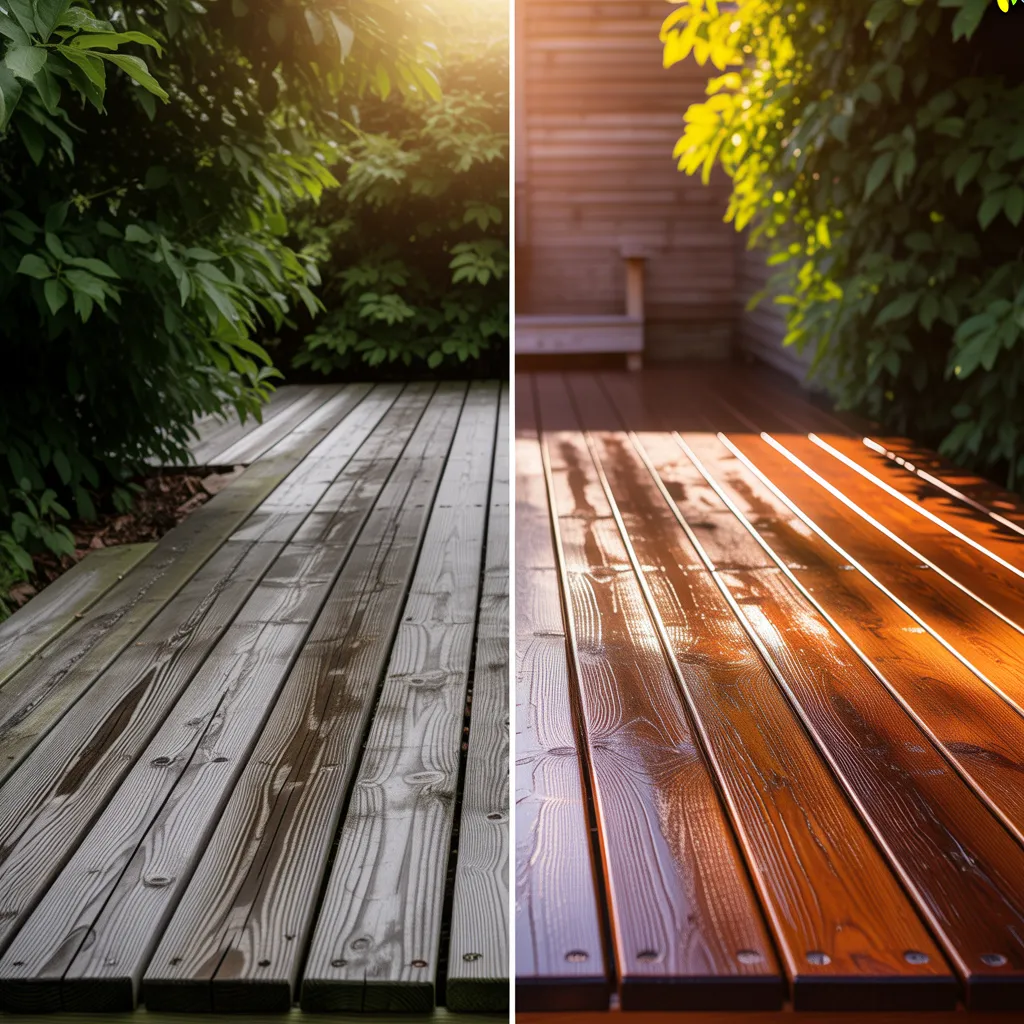
Revamping a deck can significantly boost both its visual charm and usefulness. Before and after transformations illustrate the significant difference that skilled staining services can deliver. In many cases, aged, gray wood is transformed into a deep, welcoming hue, immediately lifting the entire outdoor area.
For instance, a neglected deck with worn coating and visible wear can be restored into a stunning focal point for gatherings, featuring a polished surface that invites guests to linger. The inclusion of complementary railings and furniture further accentuates the transformation, creating a cohesive look.
In addition, these changes aren't just about aesthetics; they also enhance toughness. A well-stained deck is protected from the weather conditions, resisting moisture and UV deterioration. Therefore, before and after pictures not only inspire but also demonstrate the value of investing in quality deck staining options, securing long-lasting pleasure and upgrading outdoor living areas for years to come.
Frequently Encountered Questions Which People Ask About
How Routine Should My Deck Staining Be?
Decks typically need to be treated every two to three years, relying on exposure to weather elements. Regular assessments can help identify the requirement for staining, providing protection and preserving the deck's aesthetic appeal over time.
Is It Feasible to Finish Over Old Paint or Stain?
Applying stain over existing paint or stain is typically not recommended. Preparing the surface, including complete cleaning and possibly sanding, is essential to guarantee correct bonding and a uniform finish, improving the durability of the new stain.
Which Climate Conditions Are Optimal for Staining?
The finest atmospheric conditions for staining occur on cool and dry days with temperatures between 50°F and 90°F. Low humidity and low wind speeds also support excellent bonding and curing, delivering a long-lasting finish for outdoor surfaces.
What Timeframe Should You Expect for Deck Stain Longevity?
Deck stain usually lasts around three to five years, subject to factors like climate, sun exposure, and the type of wood. Regular upkeep can prolong its lifespan and boost the deck's appearance.
Can you locate eco-friendly stain solutions on the market?
Yes, various sustainable stain alternatives are available, including aqueous and botanical compositions. These products minimize damaging compounds while offering efficient defense and improving the inherent beauty of wood, making them ideal for sustainability-minded property owners.